Aerosol products are complete engineered systems. The formulation, propellant, can, valve, actuator, cap and label all work together to deliver a consistent, safe and commercially viable product. When one of these elements changes, the wider system may also need to be reviewed.
Change control is the structured process used to assess, document and manage updates before they are introduced into production. It helps brands understand whether a proposed change affects product performance, compatibility, shelf life, packaging, labelling, compliance, manufacturing efficiency or supply continuity.
This does not mean every small update requires a major redevelopment project. The purpose of change control is to apply the right level of technical and commercial review for the type of change being made, so that avoidable problems are identified before the revised product reaches the market.
What is aerosol product change control?
Aerosol product change control is a structured way of managing changes to an established product. It provides a clear process for reviewing what is changing, why the change is needed, what parts of the product may be affected and what checks should happen before the updated version is manufactured.
The process may apply to formula ingredients, propellants, can specifications, valves, actuators, caps, labels, cartons, filling methods, suppliers or production requirements. It can also apply where a product is moving to a new market, introducing a revised claim or responding to an ingredient availability issue.
The central question is simple: will this change affect the finished aerosol product? The answer may involve technical performance, appearance, product safety, shelf life, consumer use, legal labelling or supply-chain practicality.
What changes should trigger an aerosol product review?
Formula or ingredient changes
A substitute ingredient, revised fragrance, new active material or change in solvent balance may affect stability, compatibility and product delivery.
Can changes
A different can material, size, internal coating, shape or supplier may affect compatibility, pressure behaviour and product presentation.
Valve or actuator changes
These components influence flow rate, spray pattern, dosage, evacuation and the end-user experience.
Label, claim or artwork changes
New claims, revised ingredients, safety wording or packaging details may require compliance and technical review.
Other changes may include a new component supplier, revised filling location, different outer packaging, updated storage conditions or a shift from a conventional aerosol format to Bag-on-Valve.
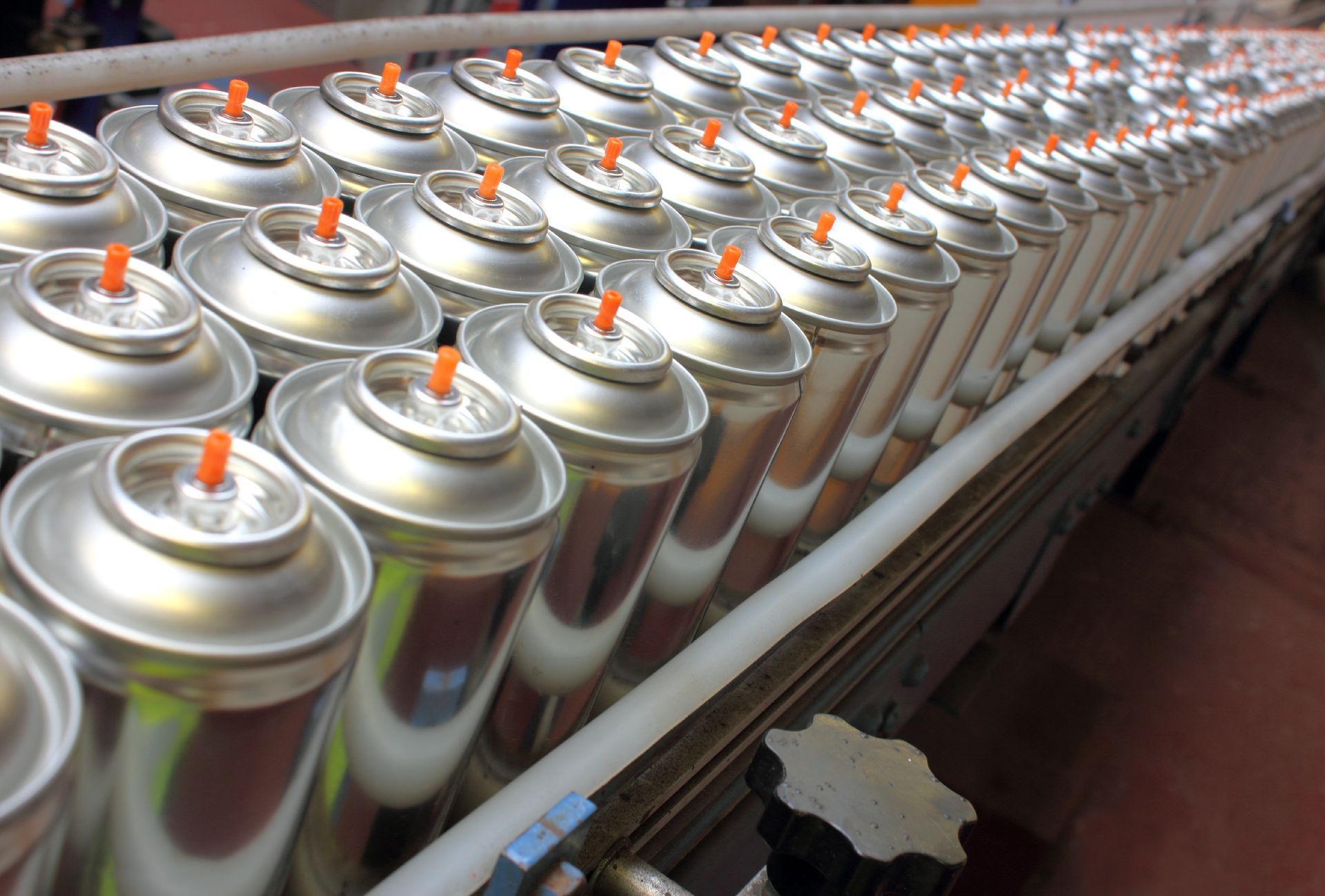
Why even a small aerosol change can have a wider impact
A change that appears minor on paper can have a meaningful effect once it is introduced into a pressurised aerosol system. For example, replacing one solvent may alter viscosity or drying time. That can affect how the product flows through the valve, the quality of the spray and the amount of residue left after use.
Similarly, a replacement actuator may fit the same valve but deliver a different spray pattern. A new can supplier may provide a pack with different internal coating characteristics. A revised label may introduce a claim that requires additional support or changes to safety information.
These changes do not automatically create problems. However, they should be assessed in context rather than treated as isolated substitutions. Change control helps ensure the product remains consistent with the intended performance, packaging and market position.
Related reading: How Aerosol Packaging Choices Affect Product Performance
Managing formula changes in aerosol products
Formula changes are among the most important changes to manage carefully. A revised ingredient may be introduced because of supply availability, cost, regulation, sustainability goals, product improvement or a new customer requirement. Whatever the reason, the new formula should be considered alongside the full aerosol pack.
Formula changes can affect viscosity, pH, fragrance performance, residue, drying time, separation, pressure behaviour and compatibility with internal can surfaces or valve components. This may affect both immediate performance and how the product behaves during storage.
The appropriate review may include formulation assessment, sample filling, spray evaluation, compatibility checks, stability review and consideration of whether labels or claims need to change. The depth of work should reflect the significance and risk of the proposed update.
Related reading: Aerosol Product Reformulation: When and Why Brands Need to Update a Formula
Managing can, valve and actuator updates
Packaging components are not interchangeable simply because they look similar or fit physically together. A can, valve or actuator is selected for a particular product system and can influence dispensing behaviour, pack integrity, compatibility and consumer experience.
A valve change may alter output rate, spray consistency or sealing performance. An actuator change may affect the spray pattern, direction, feel and ease of use. A can change may introduce different internal coatings, dimensions or material characteristics that need to be considered against the formulation.
When packaging changes are proposed, the review should consider whether the updated component affects product quality, intended use, artwork, claims, component availability or future production planning. Where needed, practical assessment helps confirm that the revised system performs as expected.
Related reading: Aerosol Valve Types Explained: Continuous, Metered and Tilt Systems
When change control should include labels, claims and compliance
A technical change can sometimes create a regulatory or communication change as well. If the formula changes, the ingredient list, hazard information, safety wording or product claims may need to be reviewed. If the product is positioned differently, new claims may need appropriate support before they are added to packaging or marketing materials.
This is particularly relevant where a brand is making sustainability claims, preservative-free claims, performance claims or statements relating to specialist product use. A change to formulation or packaging should not be separated from the information being presented to customers.
Change control helps connect these areas. It creates an opportunity to check whether the finished product, its packaging and its product information remain aligned before the updated version is released.
Related reading: Regulatory Compliance in Aerosol Manufacturing
Common aerosol change-control mistakes to avoid
- Assuming a substitute component will perform exactly like the original.
- Changing a formula without reviewing can, valve and actuator compatibility.
- Updating packaging artwork without checking claims, ingredients or safety wording.
- Making a supply-driven change too quickly because stock is running low.
- Failing to plan how old and new stock will be managed during transition.
- Keeping no clear record of what changed and why.
A controlled process reduces the risk of unexpected performance issues, avoidable rework, customer confusion and supply disruption. It also gives brands a clearer basis for making future product decisions.
Frequently Asked Questions
Summary: Aerosol product change control is a structured process for assessing and managing updates to a formula, can, valve, actuator, label, supplier or production requirement. It helps confirm that a change will not create avoidable issues with product performance, safety, compliance or supply continuity.
An aerosol is a connected system rather than a collection of separate parts. The formulation, propellant, can, valve and actuator all contribute to how the product performs. A change to one element may affect another, which is why change control is important for both new and established products.
The process begins by defining the proposed change and its reason. This could be an ingredient shortage, a new component supplier, a revised packaging design, a performance improvement or a regulatory update. The manufacturer can then assess which parts of the product need review.
Depending on the change, the review may include compatibility, spray performance, stability, packaging fit, label wording, artwork, stock transition and production planning. Not every update requires the same level of work, but each should be considered in proportion to its potential impact.
Effective change control gives brands a more reliable way to update products without losing confidence in quality or consistency. It also creates a clear record of what was changed, why it was changed and how the revised product was approved.
Summary: Not every formula change requires the same level of testing, but every meaningful change should be reviewed. The need for testing depends on what has changed, how the new ingredient affects the system and whether there is a risk to compatibility, stability, spray performance or shelf life.
A minor adjustment may need a more limited technical review, while a major change to solvents, active ingredients, water content, viscosity, fragrance or propellant behaviour may need more detailed assessment. The risk level also depends on the product category and intended use.
Formula changes can affect how the product behaves under pressure, how it flows through the valve, how it interacts with the can and how it performs during storage. These effects may not be obvious from the formula alone, which is why practical evaluation is often valuable.
Testing may involve checking spray quality, output, compatibility, valve behaviour, pack integrity or stability over time. The purpose is not to delay a product update unnecessarily. It is to identify potential issues before the revised product enters full production or reaches customers.
The appropriate approach is to discuss the proposed formula change with the manufacturer early. This helps determine what level of review is sensible and allows the project to be planned around realistic timelines.
Summary: Yes. A different valve or actuator can change flow rate, spray pattern, output, dosage, direction and user experience. Even where a replacement fits physically, it should be reviewed to confirm that it performs correctly with the formula and packaging system.
The valve controls the release of the aerosol product, while the actuator shapes how the product is delivered. These components are selected for technical reasons as well as appearance. A different valve may release more or less product, while a different actuator may produce a wider, narrower, wetter or more targeted spray.
This can affect how consumers use the product and how they judge its quality. A personal care spray, for example, may need a fine and even mist, while a technical maintenance product may need a directional and controlled output. A change that does not match the intended use can create dissatisfaction even if the formulation itself remains unchanged.
A valve or actuator change may also affect compatibility, sealing, evacuation or pack appearance. For these reasons, it should be managed through change control rather than treated as a simple purchasing substitution.
Planning approved alternatives in advance can be helpful when supply risk exists. It gives the brand more flexibility without forcing a rushed decision if the preferred component becomes unavailable.
Summary: It can. Changing a can, valve, actuator, internal coating or other packaging component may affect how the aerosol behaves over time. Significant packaging changes should therefore be reviewed for compatibility, pack integrity and long-term product performance.
Shelf life depends on the complete aerosol system. The formulation may have performed well in its original packaging, but a new component can change the relationship between the product and pack. A different can coating may interact differently with the formula, while a new valve may affect sealing or dispensing consistency.
The effect may be immediate, or it may only become visible after storage. Potential issues can include pressure loss, leakage, corrosion, blocked valves, altered spray quality or changes in product stability. This is why packaging changes should not be considered separately from shelf-life expectations.
The level of review will depend on the change. A like-for-like component update may carry less risk than a move to a different material, valve type or packaging format. The manufacturer can help assess what checks are appropriate before the new pack is approved.
Reviewing shelf-life implications early helps brands protect product quality and avoid discovering issues after launch, during warehousing or through customer feedback.
Summary: Brands should document what is changing, why it is changing, which product elements may be affected, what reviews or checks were completed and when the revised version was approved. Clear records support consistency, traceability and future decision-making.
At a minimum, the change record should identify the existing specification and the proposed update. This may include formula details, packaging component information, supplier changes, artwork revisions, label updates or production changes. The reason for the change should also be clear, whether it relates to supply availability, cost, performance, regulation or product development.
The record should capture any technical review that took place. For example, this may include compatibility checks, spray assessment, packaging review, shelf-life considerations or approval of alternative components. It should also record whether labels, claims or safety information were reviewed as part of the change.
Documentation is useful because it helps everyone involved understand which version of the product is current and how it differs from the previous version. It can also help when planning future production, investigating a performance issue or managing stock transition.
Good documentation does not need to be unnecessarily complicated. It needs to be clear enough to show that the change was considered, assessed and approved in a controlled way.
Need support managing aerosol component supply?
Hydrokem can help brands plan aerosol component sourcing, packaging availability, production schedules, approved alternatives and longer-term supply continuity.
Speak to Hydrokem