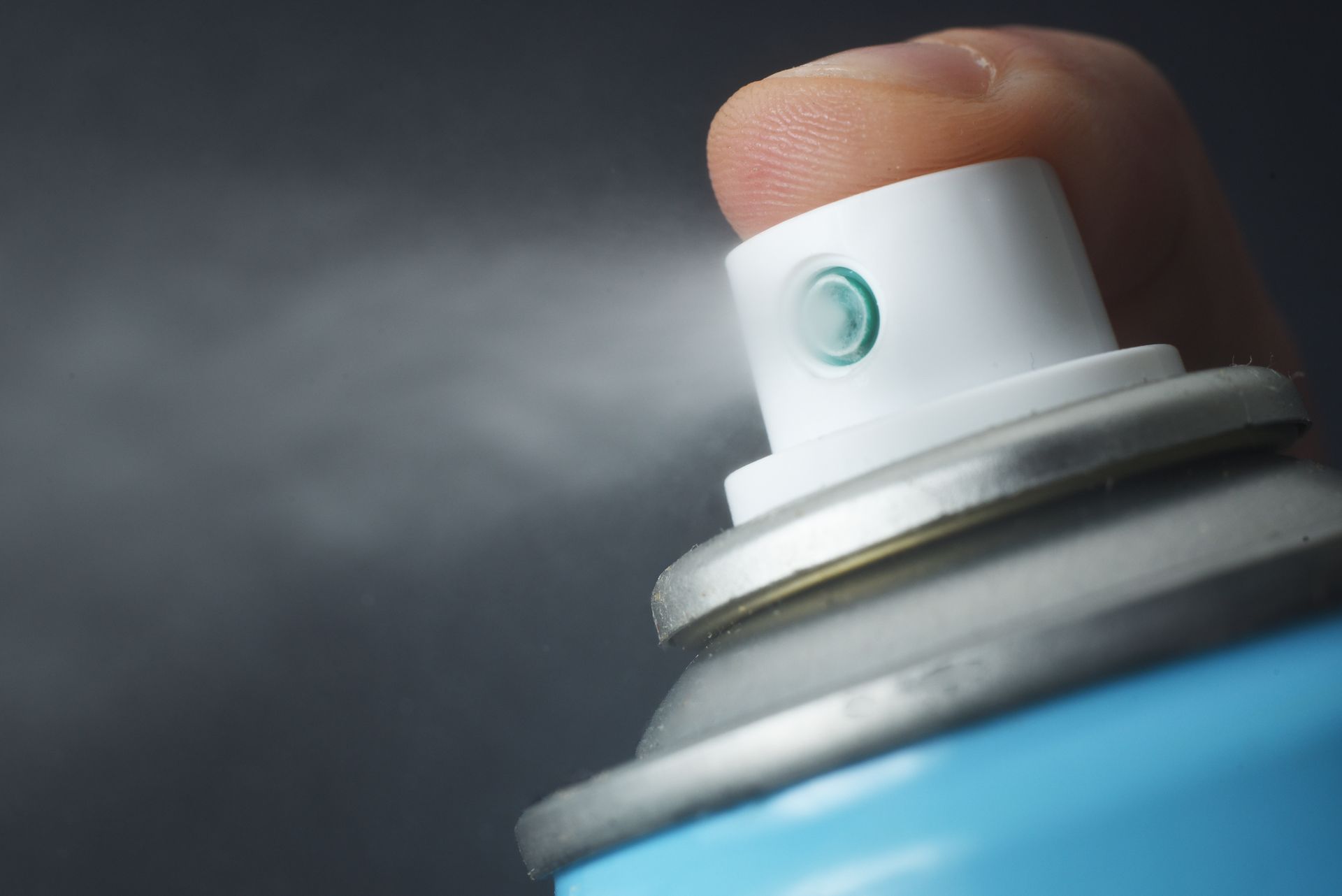
In aerosol manufacturing, packaging is not simply about branding or appearance. The packaging system plays a direct role in how the product performs, how stable it remains over time and how effectively it reaches the end user. The relationship between the formulation, propellant, valve, actuator and can determines spray quality, consistency, compatibility and overall user experience.
Even relatively small packaging changes can alter how an aerosol behaves. A different valve may affect spray pattern and dosage, while changes to can size or actuator design may influence pressure characteristics, evacuation rates and usability. Because of this, packaging selection should always be considered part of the technical development process rather than treated as a purely cosmetic decision.
Why packaging is part of aerosol product performance
Aerosol products are engineered systems where packaging and formulation work together. The can, valve, actuator and propellant all influence how the product behaves during filling, storage and use. If the packaging system is poorly matched to the formulation, the product may experience spray inconsistency, poor evacuation, leakage, pressure instability or reduced shelf life.
This is why packaging decisions should be discussed during product development rather than left until the final stage. Technical evaluation helps ensure the selected packaging supports both product performance and operational reliability during manufacturing.
In many cases, the same formulation may behave differently depending on the valve system or actuator chosen. Even the angle and shape of the spray can affect the end-user experience and perceived product quality.
Related reading: Aerosol Compatibility Testing: Formula, Valve, Can and Actuator
How can size and material influence aerosol performance
Pressure dynamics
Can dimensions influence internal pressure behaviour and spray consistency during use.
Evacuation efficiency
Packaging geometry can affect how effectively product is dispensed from the can.
Material compatibility
Aluminium and tinplate may interact differently with specific formulations and propellant systems.
User experience
Product handling, perceived quality and convenience can all be influenced by pack format.
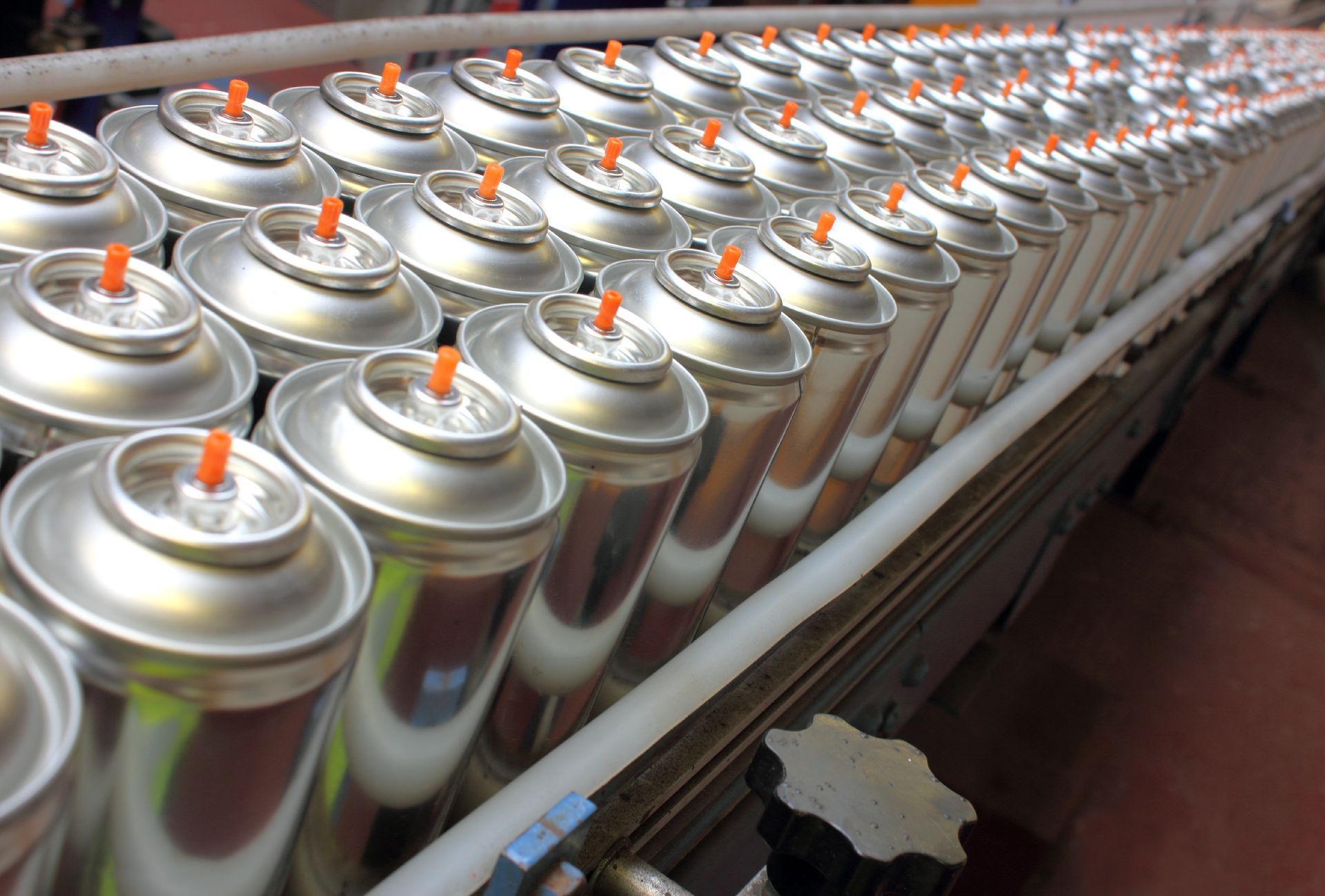
How valves and actuators affect spray quality and usability
The valve and actuator system is one of the most important performance factors in any aerosol product. Different valve designs influence flow rate, spray consistency, dosage control and product delivery characteristics.
Actuators also affect the shape, angle and feel of the spray. A poorly matched actuator may create inconsistent spray patterns or negatively affect the user experience even when the formulation itself performs well.
Continuous, metered and tilt valve systems each suit different product categories and application methods. Choosing the right delivery system requires consideration of formulation viscosity, intended usage and user expectations.
Related reading: Aerosol Valve Types Explained: Continuous, Metered and Tilt Systems
Bag-on-Valve packaging considerations
Bag-on-Valve (BOV) systems separate the formulation from the propellant, which can provide advantages for specific product categories including healthcare, preservative-free formulations and products requiring enhanced product protection.
Because the formulation is isolated within the internal bag, the packaging system itself becomes even more important. Valve integrity, bag quality and pressure balance all influence how effectively the product dispenses throughout its lifecycle.
BOV systems may also affect spray feel, evacuation efficiency and long-term product stability differently compared to conventional aerosol systems.
Related reading: Aerosol vs Bag-on-Valve: Which Is Right for Your Product?
How packaging choices affect shelf life and product stability
Shelf life is influenced not only by formulation chemistry but also by the packaging system surrounding it. Certain formulations may behave differently depending on valve materials, internal coatings or overall pack construction.
Over time, poorly matched packaging may contribute to issues such as pressure loss, leakage, corrosion or inconsistent dispensing behaviour. Compatibility and stability assessment therefore form an important part of aerosol product development.
Packaging should also support long-term storage and transport conditions without negatively affecting product quality or safety.
Related reading: How Shelf Life Is Established for Aerosol Products
Common aerosol packaging mistakes brands should avoid
- Choosing packaging based only on appearance or cost.
- Ignoring compatibility between formula and valve system.
- Selecting unsuitable actuators for the intended spray pattern.
- Underestimating packaging lead times and component availability.
- Not considering long-term storage and shelf life behaviour.
- Using packaging systems without sufficient technical validation.
Frequently Asked Questions
Summary: Aerosol packaging affects how the product sprays, dispenses, stores and performs over time. The can, valve, actuator and propellant system all influence product behaviour. Packaging should therefore be chosen as part of the technical development process, not just as a branding decision.
Aerosol packaging is directly linked to performance because the product is delivered through a pressurised system. Unlike a standard bottle or jar, an aerosol depends on the interaction between the formulation, can, valve, actuator and propellant. If these elements are not well matched, the product may not spray correctly, may dispense inconsistently or may fail to deliver the expected user experience.
The valve controls the release of the product, while the actuator shapes the spray pattern and how the product feels during use. The can specification influences internal pressure behaviour, compatibility and long-term stability. Even the same formulation can behave differently when placed into a different packaging arrangement.
Packaging also affects shelf life. If the formulation interacts poorly with internal can coatings, valve materials or sealing components, problems may appear over time. These can include corrosion, leakage, blocked valves, pressure loss or changes in spray quality.
For this reason, packaging selection should be considered early in aerosol development. It should be reviewed alongside compatibility testing, shelf life expectations, production requirements and end-user needs. Good packaging choices help the product remain reliable from filling through to storage, distribution and final use.
Summary: Yes, the actuator has a major effect on aerosol spray quality. It influences spray pattern, direction, droplet feel and user experience. Even if the formulation and valve are suitable, the wrong actuator can make the product feel poor or perform inconsistently.
The actuator is the part of the aerosol pack that the user presses to release the product. Although it may look simple, it plays an important role in shaping how the product leaves the can. Different actuator designs can create different outputs, including fine mist, foam, directional spray, wide spray or more concentrated application.
Actuator choice must be matched to both the formulation and the intended use. For example, a personal care product may need a soft, even spray feel, while a technical maintenance spray may need a more targeted directional output. A household product may require broader coverage, while a specialist product may need more controlled delivery.
If the actuator is not suitable, the product may technically dispense but still fail commercially because the user experience is wrong. The spray may feel too wet, too harsh, too narrow, too weak or too uneven. These issues can affect perceived quality and customer satisfaction.
Actuator selection should therefore be tested as part of the full aerosol system. It works alongside the valve, formulation and propellant to produce the final spray behaviour. Choosing the actuator late or based only on appearance can lead to performance problems that could have been avoided during development.
Summary: Aluminium and tinplate aerosol cans differ in material properties, appearance, compatibility and suitability for different product types. The right choice depends on formulation, brand positioning, technical requirements and supply considerations. Neither option is automatically better for every product.
Aluminium aerosol cans are often chosen for products where appearance, shaping and premium presentation are important. They can support certain design requirements and are commonly used across personal care, cosmetics and some healthcare-related products. Their material properties may also make them suitable for specific formulations, depending on the product and internal treatment.
Tinplate aerosol cans are widely used across many aerosol categories, including household, automotive, industrial and technical products. They can be cost-effective and practical for many applications, especially where product performance and operational efficiency are key priorities.
The decision should not be based only on visual appearance or price. Can material must be assessed in relation to the formulation, propellant, valve system and expected shelf life. Internal coatings or linings may also be important where there is potential for product interaction with the can surface.
Packaging supply and production planning can also influence the choice. Availability, minimum order quantities, lead times and printing requirements may all affect what is commercially practical for a brand. The best option is the one that supports product performance, compatibility, brand goals and manufacturing efficiency together.
Summary: Yes, changing aerosol packaging can affect shelf life. A new can, valve, actuator or internal coating can change how the product behaves over time. Any significant packaging change should be reviewed for compatibility and stability before full production.
Shelf life depends on the complete aerosol system, not just the formulation. If a product has been tested in one packaging format, it should not be assumed that the same shelf life automatically applies after changing components. A different valve material, can lining, actuator or propellant arrangement may affect long-term behaviour.
Packaging changes can influence pressure retention, valve performance, internal corrosion risk, spray consistency and product stability. Some changes may be minor and low risk, while others may require more detailed testing before launch. The level of review depends on the type of product, the nature of the change and the intended market use.
For example, switching to a different can material or internal coating could affect compatibility with the formulation. Changing the actuator may affect spray quality or evacuation performance. Changing the valve may influence output, sealing or dose consistency.
For this reason, packaging updates should be treated as technical decisions as well as commercial or design choices. Reviewing compatibility and shelf life after packaging changes helps reduce the risk of delayed performance issues, customer complaints or product instability after launch.
Summary: Aerosol brands should avoid choosing packaging based only on cost or appearance. Packaging must support spray performance, compatibility, shelf life, production efficiency and user experience. Poor packaging decisions can create technical problems even when the formulation itself is strong.
One common mistake is treating packaging as a purely visual decision. Branding is important, but aerosol packaging also performs a technical function. The can, valve and actuator all influence how the product behaves. If these parts are not matched properly to the formulation, the finished product may underperform.
Another mistake is selecting components too late in development. If the packaging system is not considered early, brands may discover later that the chosen valve does not suit the formula, the actuator produces the wrong spray pattern or the can specification creates compatibility concerns.
Brands should also avoid assuming that the cheapest component is always the best option. Lower-cost packaging may be suitable in some situations, but only if it supports the required performance and safety expectations. A poor component choice can lead to rework, delays, returns or customer dissatisfaction.
Underestimating lead times is another risk. Custom cans, specialist actuators and certain printed components may take longer to source than expected. This can affect launch dates and production scheduling.
The safest approach is to review packaging alongside formulation, compatibility, shelf life and production planning. That creates a more reliable route from product concept to market.
Need guidance on aerosol packaging selection?
Hydrokem supports brands with aerosol and Bag-on-Valve packaging selection, compatibility assessment, valve systems, product development and manufacturing guidance.
Speak to Hydrokem