Aerosol Valve Types Explained: Continuous, Metered and Tilt Systems
Aerosol products may appear simple from the outside, but their performance relies on a carefully engineered system of components working together. At the centre of that system is the aerosol valve — a small but critical mechanism that controls how the product is dispensed.
Different applications require different delivery characteristics. Some products need continuous spraying, others require a precise measured dose, and some specialist products must spray effectively at unusual angles. This guide explains the three main aerosol valve types — continuous, metered and tilt — and how to choose the right system for your product.
Continuous Valves
Product is dispensed for as long as the actuator is pressed. The most widely used valve type, suitable for general consumer and household products.
Metered Valves
A fixed quantity of product is delivered with each actuation. Essential for pharmaceutical, medical and healthcare aerosol applications.
Tilt Valves
Designed to maintain performance when the aerosol is sprayed at an angle or in unusual orientations. Used in specialist and technical applications.
What Does an Aerosol Valve Do?
The aerosol valve is the mechanism that controls the release of the product from the pressurised container. When the actuator is pressed, the valve opens and allows the product to flow from the can through the valve system and out of the actuator.
Although the valve itself is small, it performs several critical functions: regulating how the product leaves the container, determining how much product is released during use, and ensuring the pressurised contents remain safely contained until activation.
Key Components of a Valve Assembly
- Valve housing
- Stem
- Internal seals and springs
- Dip tube
- Actuator interface
These components must be carefully matched to the product formulation, propellant system and packaging format. A poorly matched valve can result in poor spray performance, inconsistent delivery or product leakage.
Continuous Aerosol Valves
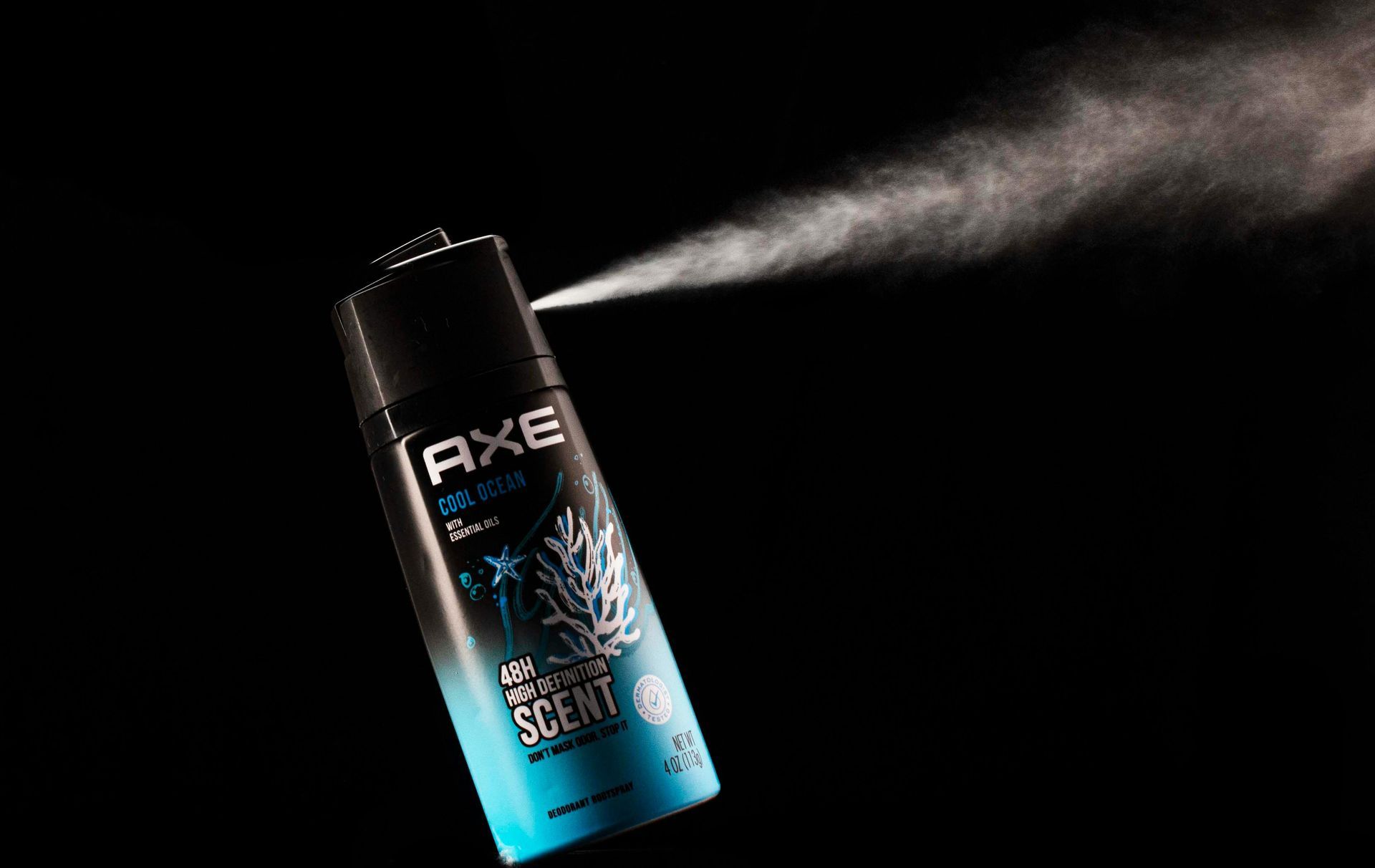
Continuous valves are the most widely used aerosol valve type. The product is dispensed continuously for as long as the actuator is pressed. Once released, the valve closes and the spray stops. This simple mechanism makes continuous valves suitable for many common aerosol applications.
Common Applications
- Deodorants and body sprays
- Air fresheners
- Household cleaning products
- Automotive sprays
- Lubricants and maintenance sprays
Metered Aerosol Valves
Metered valves are designed to deliver a fixed quantity of product each time the actuator is pressed. Instead of releasing product continuously, the valve dispenses a measured dose with each actuation. This is achieved through an internal chamber that fills with product between sprays — when pressed, the chamber releases its contents before refilling for the next use.
Common Applications
- Pharmaceutical or medical aerosols
- Nasal sprays
- Inhalation products
- Specialist healthcare products
- Certain technical formulations
Tilt Aerosol Valves
Tilt valves are designed for applications where the aerosol may need to be sprayed at an angle or in unusual orientations. Unlike many standard valves that operate best when the can is held upright, tilt valves can maintain performance even when the container is angled during use.
Common Applications
- Certain maintenance sprays
- Specialist cleaning products
- Technical or workshop aerosols
- Products used in confined spaces or awkward positions
Continuous vs Metered vs Tilt Valves
Choosing the right valve type depends on how the product is intended to perform and how the user will interact with it.
| Feature | Continuous | Metered | Tilt |
|---|---|---|---|
| Dispensing method | Continuous flow whilst pressed | Fixed dose per actuation | Continuous flow at any angle |
| Dose control | User-controlled | Valve-controlled (precise) | User-controlled |
| Typical sectors | Household, personal care, automotive | Pharmaceutical, medical, healthcare | Technical, maintenance, specialist |
| Complexity | Simple | Complex | Moderate |
| Cost | Lower | Higher | Moderate |
| Orientation | Upright | Upright | Multi-angle |
Early technical evaluation helps ensure the valve, actuator, propellant and packaging system work together effectively. Selecting the right valve therefore depends on formulation characteristics, desired spray pattern, dosing requirements and user experience.
Why Valve Selection Must Match the Entire Aerosol System
Aerosol valve selection cannot be considered in isolation. The valve must function as part of a complete system involving several interconnected components — each of which influences how the aerosol behaves during use.
- Formulation viscosity affects how easily the product flows through the valve
- Propellant pressure influences spray strength and atomisation
- Actuator design shapes the final spray pattern
- Can type and dip tube length affect product pick-up and delivery
If any of these components are poorly matched, the product may not perform as intended. Valve selection is therefore part of a broader evaluation process during aerosol product development.
Common Mistakes When Choosing Aerosol Valves
Choosing the wrong valve system can lead to performance issues or development delays. Here are the most common pitfalls to avoid.
Selecting on Cost Alone
Whilst cost is important, the valve must deliver the correct spray behaviour and dose control. Choosing the cheapest option without testing can compromise the final product.
Ignoring the User Experience
Spray direction, dose consistency and ease of use should all influence valve selection. How the consumer interacts with the product matters.
Poor Compatibility Testing
If the valve is not matched correctly with the formulation or propellant system, spray quality may suffer or product leakage can occur.
Confusing Valve and Actuator Roles
The actuator controls spray pattern; the valve controls product release. Confusing these roles leads to misunderstandings during product design.
How Hydrokem Supports Valve Selection
Selecting the right aerosol valve requires understanding both the product formulation and the intended user experience. During product development, manufacturers typically review several factors when recommending a valve system.
- Product viscosity and formulation characteristics
- Required spray pattern and delivery format
- Dose consistency requirements
- Packaging format and can specification
- End-user application and usage environment
By evaluating these factors together, it becomes possible to specify a valve system that supports both reliable performance and efficient manufacturing. Careful component selection also helps ensure compatibility between the valve, actuator and packaging system, reducing the likelihood of performance issues during production.
Need Help Choosing the Right Valve System?
Get in touch with our team to discuss your product requirements and find out how we can help specify the right aerosol valve for your application.
Contact HydrokemFrequently Asked Questions
What is the difference between a continuous and a metered aerosol valve?
The key difference between continuous and metered aerosol valves lies in how the product is dispensed during use. Continuous valves release product for as long as the actuator is pressed, while metered valves dispense a fixed quantity of product with each activation.
Continuous valves are commonly used in everyday aerosol products such as deodorants, air fresheners and household cleaners. These products typically require flexible application, allowing the user to control how much product is sprayed simply by adjusting how long they press the actuator.
Metered valves, by contrast, are designed to deliver precise doses. Each time the actuator is pressed, the valve releases a measured amount of product before closing again. This controlled dosing helps ensure consistent delivery every time the product is used.
Because of this precision, metered valves are frequently used in healthcare or pharmaceutical aerosols, where dose accuracy may affect product effectiveness or safety.
Both valve types serve important purposes, but the correct choice depends on the intended use of the product. Continuous valves prioritise flexibility and ease of use, while metered valves prioritise dosing accuracy and controlled delivery.
Selecting the appropriate valve system therefore depends on how the product is expected to perform and how users will interact with it during normal use.
When should a metered aerosol valve be used?
Metered aerosol valves are used when delivering a consistent and controlled dose of product is essential. These valves are designed to release a predetermined quantity of product each time the actuator is pressed, helping ensure that every application delivers the same amount.
This type of valve is particularly useful in products where dosing accuracy is important. Healthcare and pharmaceutical aerosols are common examples, as the effectiveness of these products may depend on the user receiving the correct quantity of the active ingredient.
Metered valves may also be used in certain specialist products where consistent dosing improves performance or reduces waste. For instance, some technical or chemical products benefit from precise application, ensuring that only the required amount of product is dispensed.
The internal structure of a metered valve includes a small chamber that fills with product between sprays. When the actuator is pressed, the chamber empties, releasing a measured dose before resetting for the next use.
Because this system is more complex than standard continuous valves, careful matching between the formulation, propellant system and packaging components is necessary to ensure reliable performance.
For this reason, metered valve systems are typically selected during the early stages of product development.
What is a tilt aerosol valve used for?
Tilt valves are designed to allow aerosol products to function effectively when the container is held at an angle. In standard aerosol systems, performance is often best when the can is held upright, as this allows the dip tube to remain immersed in the product.
However, certain applications require the aerosol to be used in awkward positions or confined spaces. In these situations, a tilt valve can help maintain spray performance even when the container is not perfectly upright.
Tilt valves are commonly used in technical or specialist aerosol products where flexibility of application is important. For example, maintenance sprays used in mechanical environments may need to reach components located beneath equipment or inside narrow spaces.
The design of a tilt valve helps ensure the product can still flow through the valve system even when the can is angled during use. This allows the aerosol to deliver product reliably without requiring the user to hold the container in a fixed position.
Although tilt valves are less common than continuous valves in everyday consumer products, they play an important role in specialised applications where precise positioning or access is required.
Does the valve affect the spray pattern of an aerosol product?
The valve plays an important role in aerosol performance, but the final spray pattern is influenced by several components working together.
The valve controls the release of product from the pressurised container, but the actuator – the button pressed by the user – is typically responsible for shaping the spray pattern.
Different actuator designs can produce a wide range of spray characteristics, including fine mist sprays, directional jets, foam outputs and wide fan patterns. The valve must work effectively with the actuator and propellant system to ensure the spray performs as intended.
The formulation also plays a role in spray behaviour. Product viscosity, propellant pressure and droplet formation all influence how the aerosol behaves when dispensed.
Because of this, aerosol performance depends on the entire system rather than a single component. The valve, actuator, formulation and packaging must all be compatible in order to produce consistent spray quality.
During product development, manufacturers often evaluate these elements together to ensure the chosen valve and actuator combination delivers the desired spray performance.
Can the wrong aerosol valve cause product performance problems?
Yes, selecting the wrong valve type can lead to a range of performance issues. Because the valve controls how product exits the container, it must be compatible with both the formulation and the intended application.
If a valve is poorly matched to the product, the aerosol may produce inconsistent sprays, deliver incorrect doses or fail to dispense the product properly. In some cases, the product may leak or spray unevenly.
Formulation characteristics such as viscosity, particle size and propellant pressure can all affect how the product moves through the valve system. A valve that works well with one formulation may not perform effectively with another.
User experience can also be affected by valve choice. For example, using a continuous valve where precise dosing is required could lead to excessive product application or inconsistent results.
Because of these risks, valve selection is typically considered during the early stages of aerosol development. Manufacturers evaluate how the valve interacts with the formulation, actuator and packaging system to ensure the final product performs reliably throughout its intended shelf life.
Careful component selection helps avoid costly redesigns and ensures the aerosol delivers consistent performance once it reaches the market.